Chalino Sánchez’s Final Performance: The Chilling ‘Death Note’ and Unsolved Murder of the Narcocorrido King
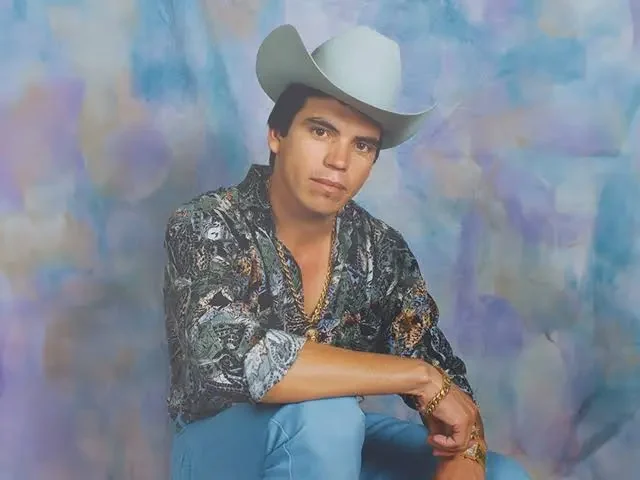
Chalino Sánchez, a Mexican singer-songwriter known as the “King of Corridos,” was a pivotal figure in the narcocorrido genre, which narrates stories of drug traffickers, cartels, and violence. On May 15, 1992, during a performance at the Salón Bugambilias in Culiacán, Sinaloa, Sánchez was handed a note by an audience member. Video footage captures him reading it, visibly shaken—his face pales, he wipes sweat from his forehead, and he nods to someone offstage before continuing to sing “Alma Enamorada,” a love ballad. Though the note’s contents were never officially confirmed, it is widely believed to have been a death threat, possibly warning him that he would not leave the venue alive.

After the concert, around midnight, Sánchez left with his two brothers, a cousin, and several young women. Their vehicle was stopped by armed men in black Chevrolet Suburbans who presented state police identification and claimed their commander wanted to see Sánchez. He agreed to go with them, leaving the others behind. The next morning, May 16, 1992, his body was found near an irrigation canal by Mexican Federal Highway 15 in Culiacán, blindfolded, with rope marks on his wrists and two gunshot wounds to the back of his head. His murder remains unsolved, with theories pointing to cartel retaliation or personal vendettas.
Sánchez’s life was marked by violence and defiance. At 15, he reportedly killed a man named “Chapo” Perez, who raped his sister, an act that may have drawn the ire of the Sinaloa Cartel, as Perez was allegedly connected to the Araujo clan, cartel hitmen. Sánchez fled to the U.S. afterward, settling in Los Angeles, where he began writing narcocorridos while in prison for petty crimes. His songs, raw and authentic, resonated with Mexican-American audiences and glorified the lives of outlaws, making him a controversial figure.

Earlier that year, on January 25, 1992, Sánchez survived a shootout at a Coachella, California, nightclub when an audience member, Eduardo Gallegos, fired at him. Sánchez, who always carried a gun, returned fire, killing a bystander and injuring others. This incident boosted his notoriety, with cassette sales and concert attendance surging.
The “death note” moment has become legendary, symbolizing Sánchez’s bravery and fatalistic resolve. Some speculate the note was linked to his return to Sinaloa, possibly violating an agreement with the cartel after the Perez killing. Others suggest it referenced his narcocorridos, which may have antagonized powerful figures. Despite the fear evident in the footage, Sánchez continued performing, cementing his image as a fearless artist. His death at 31 immortalized him, with his music influencing generations and his story inspiring podcasts, documentaries, and a biopic in production.
The exact contents of the note remain a mystery, as does the identity of his killers. Corruption in Mexico likely hindered the investigation, leaving theories about cartel revenge or personal grudges unconfirmed. Sánchez’s legacy endures through his raw storytelling and the cultural impact of his music on both sides of the border.