Government to Ban Mining in Water Bodies and Forest Reserves – Vice President Announces New Law
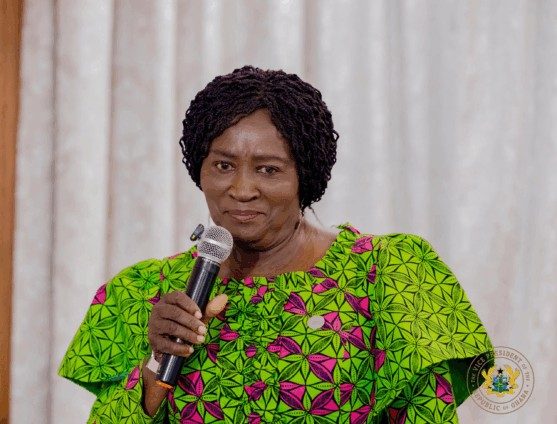
The Government of Ghana is set to introduce a new law that will completely prohibit mining activities in water bodies and forest reserves. The move, according to Vice President Prof. Naana Jane Opoku-Agyemang, forms part of government’s renewed efforts to combat illegal mining and restore degraded natural resources across the country.
Speaking to members of the Ghanaian community in Belgium during the Global Gateway Forum, the Vice President described illegal mining, popularly known as galamsey, as a national crisis threatening the country’s environment, water security, and public health.
She revealed that government is finalizing a legislative framework that will make it illegal for individuals or companies to conduct mining operations in water bodies and forest reserves. The proposed legislation will also seek to repeal existing laws that currently permit such activities under certain conditions.
“We are working towards banning all forms of mining in water bodies and forest reserves. The damage caused by galamsey is alarming, and this new law will help us reclaim our environment for future generations,” the Vice President stated.
Prof. Opoku-Agyemang added that the government is reviewing over 2,100 mining licenses issued in recent years to ensure they comply with environmental regulations. Many of these licenses, she noted, are under scrutiny for being granted in protected areas or close to vital water sources.
The new legal reforms will also target Legislative Instrument (L.I.) 2462, which currently allows some mining activities in forest reserves. The government intends to repeal and replace it with stricter measures that will safeguard the country’s remaining forest cover.
The Vice President expressed concern about the environmental destruction caused by illegal mining, highlighting the pollution of major rivers, destruction of farmlands, and loss of biodiversity. She emphasized that beyond enforcement, the government will engage local communities, traditional leaders, and small-scale miners to ensure effective compliance and sustainable rehabilitation of mined lands.
Deputy Foreign Affairs Minister James Gyakye Quayson, who was part of the delegation, reaffirmed government’s commitment to prosecuting individuals and groups involved in illegal mining. He said authorities are determined to restore Ghana’s polluted rivers and protect forest reserves from further destruction.
The proposed anti-galamsey law is expected to be presented to Parliament before the end of the year. Once passed, it will become one of the most comprehensive legal measures aimed at curbing illegal mining and preserving Ghana’s environment.