


TikTok Shuts Down in the US: A Temporary Ban or a Permanent Goodbye?
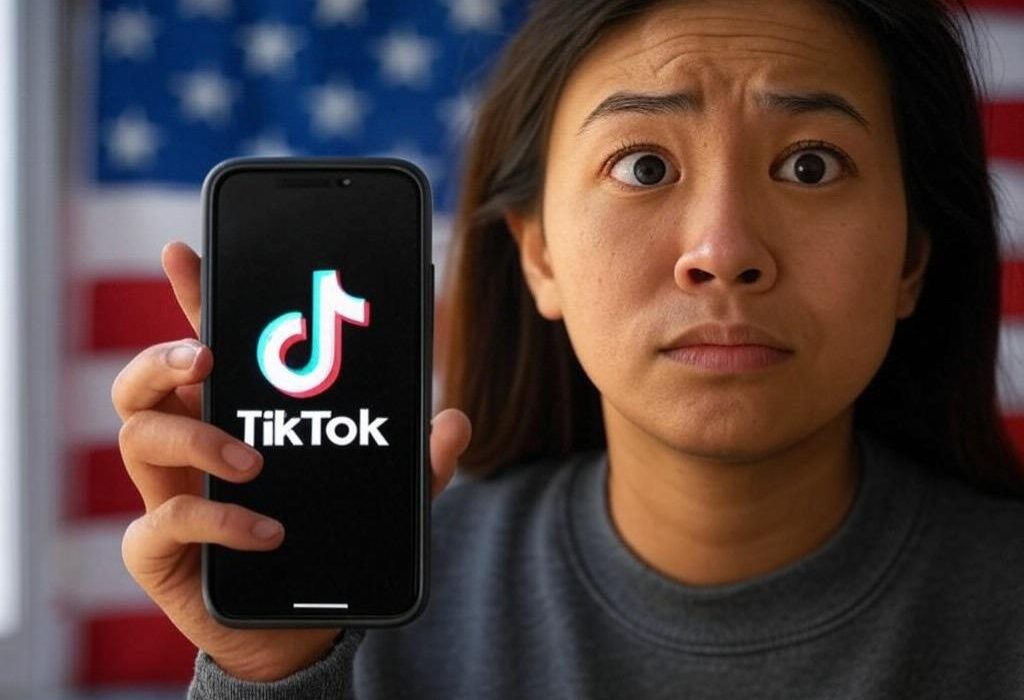
TikTok’s sudden disappearance from the US market has left many wondering what’s next. On Saturday night, the app went offline, just hours before a ban was set to take effect. This extraordinary blackout prevented access to the app, which had been used by 170 million Americans. Visitors to the app were met with a message reading: “Sorry, TikTok isn’t available right now. A law banning TikTok has been enacted in the U.S. Unfortunately, that means you can’t use TikTok for now.”

This development comes after the Supreme Court upheld a ban passed by Congress and signed into law by President Joe Biden in April. The law prohibits American companies from hosting or serving content for TikTok unless it sells itself to a US-owned company or one of its allies.
Despite the ban, TikTok may not be gone for long. The company suggested it could be back soon, possibly as early as Monday. In a pop-up message to users, TikTok stated: “We are fortunate that President Trump has indicated that he will work with us on a solution to reinstate TikTok once he takes office.” President-elect Trump has indeed indicated that he will “most likely” delay the ban on TikTok for 90 days after taking office on Monday.

The app’s abrupt disappearance from Apple’s App Store and Google Play store has sent shockwaves through the TikTok community, leaving countless users reeling and bracing for the worst – a permanent goodbye to the beloved app. Compounding the uncertainty, other apps owned by TikTok’s parent company ByteDance, including CapCut, displayed eerily similar messages, fueling speculation about the fate of the entire TikTok ecosystem.

Amidst the chaos, a sense of unease has settled over the app’s devoted user base, many of whom have come to rely on TikTok as a vital source of entertainment, creativity, and connection. Yet, despite the ominous signs, a glimmer of hope remains. Some fans of the app continue to hold out hope that TikTok will be saved, perhaps through a last-minute reprieve or a bold new strategy.
Lawmakers have expressed concerns about TikTok’s ties to China and its access to user data, citing national security threats. Meanwhile, Trump, who first warned of TikTok’s dangers five years ago, is now positioning himself as the app’s savior.
TikTok’s CEO Shou Chew has met with Trump at his Mar-a-Lago home, and the company is expected to attend Trump’s inauguration on Monday. The White House has signaled that it will not enforce the law on Biden’s final day in office, but TikTok took action to take the app down anyway, citing concerns from service providers like Google and Apple.
The move has put pressure on Trump to negotiate a solution, and analysts like Richard Greenfield of LightShed Partners anticipate that TikTok will ultimately stay online in the US. Perplexity AI, a San Francisco-based AI search-engine startup, has even submitted a bid to ByteDance to merge with TikTok.
As the situation unfolds, one thing is clear: the future of TikTok hangs precariously in the balance, leaving its millions of users anxiously awaiting the next development.



This is serious