“I Don’t Like Mondays”: Brenda Spencer’s Deadly 1979 School Shooting That Shocked America
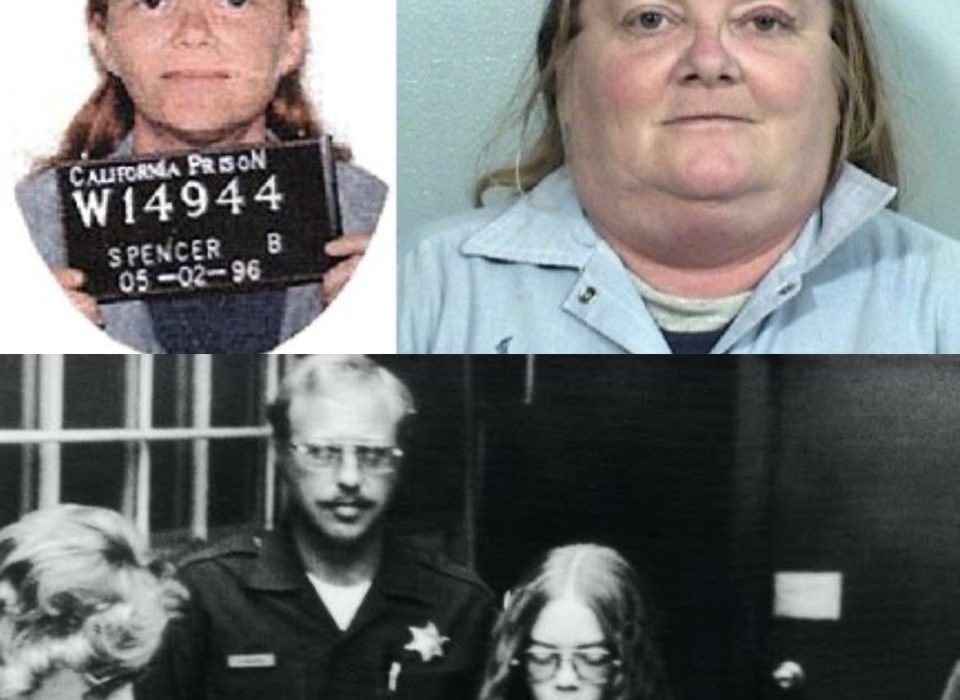
On January 29, 1979, a chilling event unfolded in San Diego, California, when 16-year-old Brenda Ann Spencer carried out a shocking act of violence at Grover Cleveland Elementary School. From the window of her home across the street, Spencer aimed a .22-caliber semi-automatic rifle—a Christmas gift from her father—and opened fire on the school’s campus. The attack claimed the lives of two men: Burton Wragg, the school’s principal, who was fatally shot while trying to protect students, and Michael Suchar, the custodian, who was also killed as he attempted to help. Eight children, caught in the chaos of the schoolyard, were wounded, as was a responding police officer who sustained injuries during the incident. Spencer fired a total of 36 rounds, transforming a seemingly ordinary Monday morning into a scene of tragedy.

As the situation escalated, Spencer barricaded herself inside her home, leading to a tense six-hour standoff with law enforcement. During this time, she granted a phone interview to a reporter from the San Diego Evening Tribune, offering a chillingly casual explanation for her actions: “I don’t like Mondays. This livens up the day.” The remark, delivered with unsettling nonchalance, would later become infamous, encapsulating the disturbing detachment of her mindset. After hours of negotiations, Spencer eventually surrendered to the authorities, bringing the immediate crisis to an end but leaving a lasting scar on the community.

The legal aftermath saw Spencer, despite her age, charged as an adult due to the severity of her crimes. She pleaded guilty to two counts of murder and assault with a deadly weapon, receiving concurrent sentences of 25 years to life in prison. Since her conviction, she has remained incarcerated at the California Institution for Women, where her bids for parole have consistently been denied. Her most recent parole hearing, in February 2025, resulted in yet another rejection, reflecting the enduring weight of her actions in the public and judicial consciousness. Over the years, Spencer has expressed remorse in some instances, but her explanations—citing personal struggles, including an abusive home environment and mental health issues—have done little to sway parole boards or public opinion.

The Grover Cleveland Elementary School shooting holds a grim distinction as the first widely recognized modern school shooting in the United States, predating later tragedies like Columbine, Sandy Hook, and Parkland. At the time, the idea of a young person targeting a school with such violence was almost unthinkable, and the incident sent shockwaves through the nation, prompting early conversations about gun control, school safety measures, and the psychological factors that drive such acts. The tragedy exposed vulnerabilities in schools, which were then seen as safe havens, and contributed to the gradual implementation of security protocols that are now commonplace, such as lockdown drills and enhanced campus surveillance.
The cultural impact of the shooting extended beyond policy discussions. Spencer’s infamous quote, “I don’t like Mondays,” inspired the 1979 hit song of the same name by The Boomtown Rats, written by frontman Bob Geldof. The song, a haunting commentary on the senselessness of the violence, climbed charts worldwide and ensured that the tragedy remained etched in popular culture. While the song brought attention to the incident, it also sparked debate about whether it inadvertently glamorized Spencer’s actions, a concern that persists in discussions about media coverage of mass shootings.
The Grover Cleveland shooting also raised questions about access to firearms, particularly for young people. The fact that Spencer used a rifle given to her by her father as a Christmas gift fueled debates about parental responsibility and the ease with which minors could obtain deadly weapons. Reports from the time suggest Spencer had shown signs of troubled behavior prior to the shooting, including substance abuse and conflicts at home, yet the gift of a firearm went unquestioned. This detail has often been cited in arguments for stricter gun laws and better mental health interventions, issues that remain contentious decades later.
The legacy of the 1979 shooting is complex. For the San Diego community, the event was a devastating loss of innocence, shattering the sense of security associated with schools. The site of Grover Cleveland Elementary, though later rebuilt and renamed, remains a somber reminder of the lives lost and the children forever changed by their injuries. Nationally, the incident marked the beginning of an era in which school shootings would become a recurring nightmare, each one prompting renewed calls for action on gun violence, mental health support, and school safety. Brenda Spencer’s actions, and her chilling explanation, continue to resonate as a cautionary tale about the intersection of personal despair, access to weapons, and societal failure to intervene before tragedy strikes.